
 LinkedIn
 Facebook
 X.com
X.com
 WeChat
 Email
Email
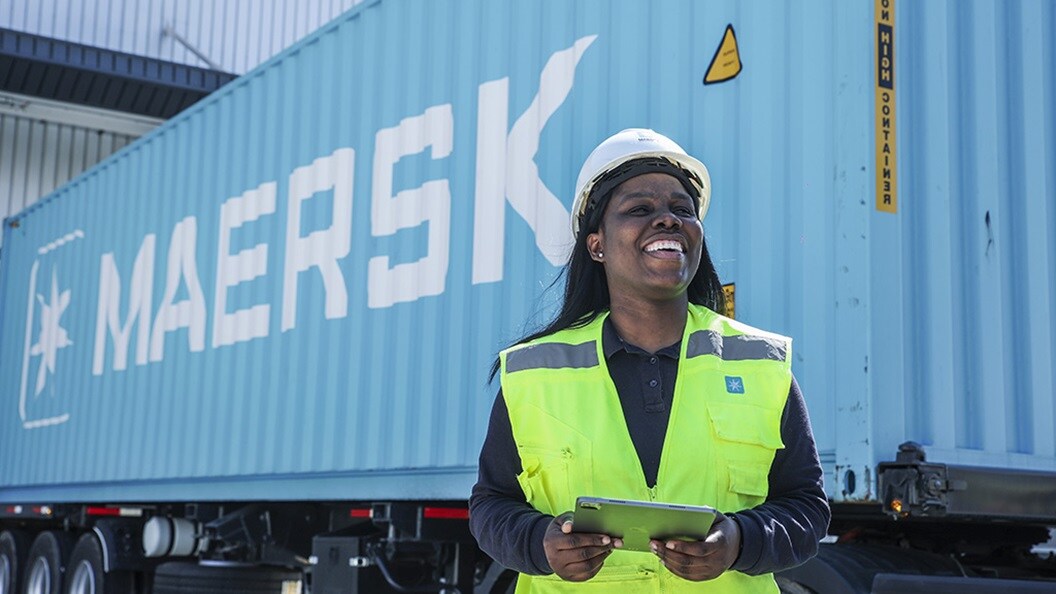
Topic of the Month: Resilience in a Volatile World: Lessons from Recent Global and Regional Disruptions
Global supply chains are operating in an environment of sustained disruption. What were once isolated shocks have evolved into a structural condition of volatility, driven by geopolitical tensions, shifting trade policies, and climate dynamics.
For logistics stakeholders in Latin America, this translates into increased uncertainty in transportation, costs, and service reliability. In this context, resilience is emerging as a strategic priority—enabling supply chains to adapt, absorb shocks, and maintain continuity in an increasingly complex global landscape.
Geopolitical Pressures and Trade Flow Disruptions
Global trade flows are facing mounting pressure from geopolitical instability and evolving policy frameworks. Strategic maritime corridors remain particularly vulnerable, directly impacting transportation costs and logistics planning.
According to the U.S. Energy Information Administration, around 20% of global oil supply transits through the Strait of Hormuz, highlighting the importance of closely monitoring key trade routes and their potential impact on energy markets.
At the same time, operational reliability continues to evolve in response to these conditions. According to Sea-Intelligence, global shipping schedule reliability reached 62.4% in April 2026, with average delays of over 5 days, reflecting an environment where variability remains a key consideration for supply chain planning.
Together, these dynamics point to a structural shift: supply chains operate in a context of ongoing variability, where enhanced visibility, adaptability, and integrated logistics approaches are increasingly important to support consistent operations.
Climate Volatility and Its Impact on Latin America
Climate dynamics are adding a new layer of complexity, particularly across Latin America, where agricultural production and export flows are highly sensitive to weather patterns.
According to the World Meteorological Organization, there is an 80% probability that El Niño conditions will develop between June and August 2026, increasing to over 90% later in the year, which is expected to significantly alter global temperature and rainfall patterns.
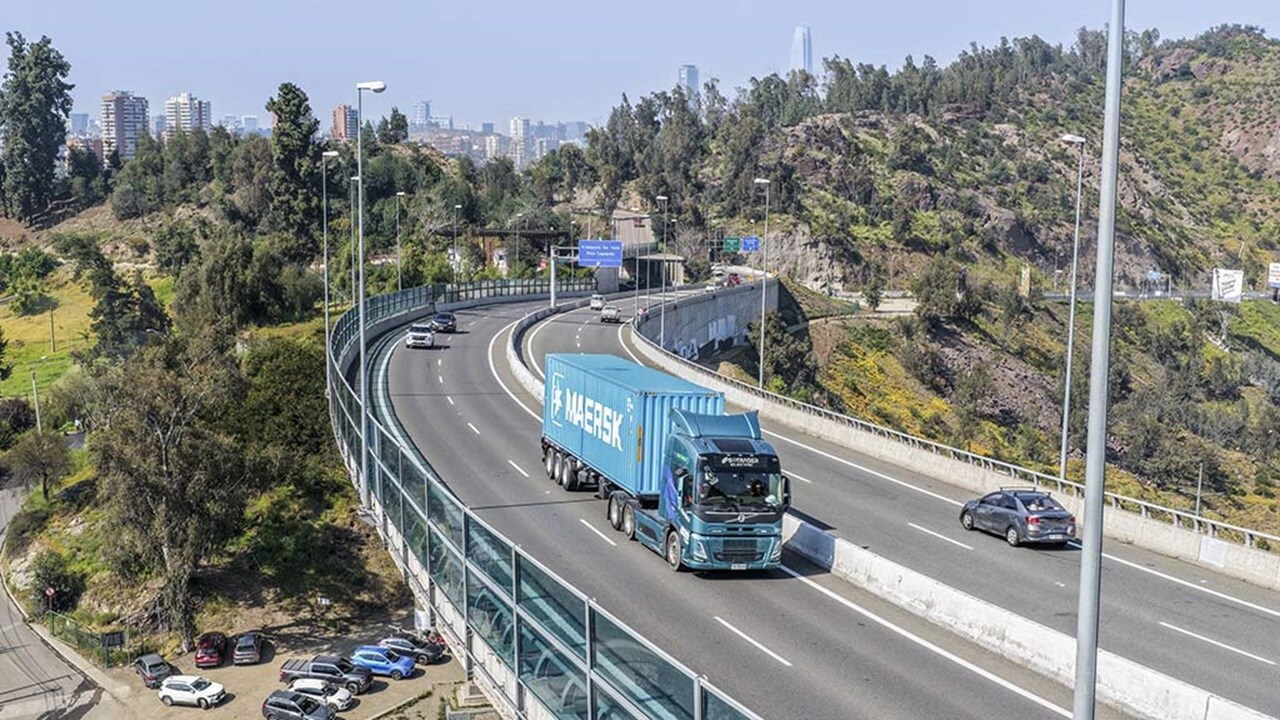
For Latin America, this translates into uneven regional impacts:
- Higher rainfall in parts of the Andean region, potentially impacting infrastructure and crops
- Hotter and drier conditions across Central America and the Caribbean
- Mixed agricultural outcomes in Brazil and Argentina
- Increased risks for climate-sensitive commodities such as coffee
These effects occur simultaneously across multiple countries, increasing volatility in agricultural production and making supply chains less predictable. As a result, logistics networks must adjust to fluctuating volumes, changing trade flows, and infrastructure disruptions.
Resilience as a Strategic Imperative
In response to overlapping disruptions, resilience has become a core element of supply chain strategy. It is no longer only about managing risk but also about enabling growth in uncertain environments.
According to the World Economic Forum, 74% of business leaders consider resilience a key driver of growth, reflecting a fundamental shift in how companies design and manage supply chains in a context of structural volatility.
This shift is particularly relevant in Latin America, where structural challenges such as infrastructure gaps, exposure to climate risks, and dependence on global trade flows amplify the impact of disruptions. In this context, strengthening resilience is not only a global priority but also a regional necessity. Insights from The Way Forward for Latin America highlight that increasing adaptability, improving supply chain visibility, and building more flexible logistics networks are key to navigating uncertainty in the region.
To strengthen resilience, several strategies are gaining relevance:
- End-to-end visibility: enhanced use of real-time data to monitor risks and improve decision-making
- Predictive analytics: adoption of advanced technologies, including artificial intelligence, to anticipate disruptions
- Diversification: reducing dependency on single suppliers, routes, or markets
- Operational flexibility: enabling faster adjustments to changing demand and supply conditions
- Regional adaptation: aligning global strategies with local realities and risks in Latin America
In today’s environment, these capabilities are no longer differentiators but essential requirements to ensure operational continuity and competitiveness.
Global supply chains are undergoing a structural transformation. Geopolitical tensions, shifts in trade dynamics, and climate variability are collectively increasing volatility and reducing predictability across regions.
For Latin America, these challenges are amplified by dependence on commodity exports, exposure to climate risks, and reliance on global logistics networks. This creates additional pressure on costs, service levels, and planning consistency.
In this context, resilience is redefining supply chain management. Companies are moving from reactive approaches to more proactive strategies, focused on visibility, diversification, and adaptability.
As volatility is expected to persist, resilient supply chains will be better positioned not only to withstand disruptions but also to navigate uncertainty and sustain long-term growth. For additional regional perspectives on how resilience and adaptability are evolving in practice across Latin America, insights from The Way Forward for Latin America provide further context on emerging priorities and strategies across the region.
Ocean updates
| Trade lane | Comments |
|---|---|
|
Trade lane
Asia to East Coast South America
|
Comments
Seasonal peak shipping period from Asia continues through summer months, supporting stable service deployment.
|
|
Trade lane
West Coast Asia to East Coast South America
|
Comments
Peak season-related volumes from Asia may support consistent service rotations during July.
|
|
Trade lane
West Coast to Intra-Americas
|
Comments
Seasonal weather patterns in the Pacific basin may require occasional route adjustments.
|
|
Trade lane
North America to Intra-Americas
|
Comments
Start of tropical storm activity in the Atlantic basin may lead to preventive operational measures on selected routes.
|
|
Trade lane
West Coast to North America
|
Comments
Seasonal tropical conditions across the Caribbean region may influence routing planning.
|
|
Trade lane
Central America to North America
|
Comments
Weather monitoring protocols in place due to seasonal storm activity in the region.
|
|
Trade lane
East Coast of South America to Intra-Americas
|
Comments
TANGO:
Seasonal call in Montevideo to attend to the Citrus demand. Norfolk is formally removed from TANGO proforma (cargo being attended via transshipment in Cartagena). ECSA Shuttle: Maersk Jaipur and Cape Sorel attending ECSA Shuttle during July (bi-weekly call in Paranagua and Santos). UCLA: As from June 5th with Maersk Chambal, the UCLA service will call the port of Itajai on weekly basis. |
Main port status
Central America, Andina and the Caribbean Sea Area: Operations remain stable across Central America and Caribbean ports, with key locations such as Cartagena, Puerto Moín, Puerto Barrios, Altamira, Manzanillo Panama and Freeport Bahamas operating under normal conditions. Vessel activity continues at a steady pace, supported by frequent services and consistent feeder connections across the region. Yard occupancy and berth productivity remain within manageable levels, while overall port performance is supported by steady cargo flows, reliable transit times and regular port rotations.
East Coast South America Area: Port activity along the East Coast of South America continues to perform steadily, with terminals operating within planned windows and maintaining consistent berth productivity. Yard utilization remains aligned with operational expectations, and weather conditions are being monitored to support uninterrupted service and operational efficiency.
West Coast South America Area: Ports across the West Coast of South America maintain a consistent and reliable operational performance, with full berth availability and efficient vessel handling. Regional connectivity remains strong, supported by stable yard operations and continuous improvements in terminal infrastructure.
| 1-3 Days | 4 - 7 days | More than 7 days |
|---|---|---|
|
1-3 Days
Balboa, Manzanillo Panama, Caucedo, Buenaventura, Callao, Guayaquil, Santos, Paranaguá, Montevideo
|
4 - 7 days
Itapoa, Rio Grande
|
More than 7 days
None reported
|
|
1-3 Days
Newark, Houston, Rotterdam, Antwerp, Singapore
|
4 - 7 days
Los Angeles, Oakland
|
More than 7 days
None reported
|
Landside
Central America, Andina and the Caribbean Sea Area: Across Central America and the Caribbean, landside operations continue to demonstrate stable performance supported by ongoing trade facilitation initiatives and gradual improvements in customs processes. Regional authorities are advancing digitalization and risk-management frameworks to streamline cross-border cargo movements and enhance efficiency in documentation review and clearance procedures. At the same time, the Panama Canal continues to maintain consistent transit operations, supporting the reliability of inland distribution flows connected to regional ports.
East Costa South América Área: In East Coast South America, landside logistics networks remain active as inland infrastructure and port-related investments continue to strengthen operational capabilities. Enhancements in Brazil’s logistics footprint, including inland facilities linked to key gateways such as Rio Grande and Paranaguá, are supporting more efficient cargo distribution and connectivity to hinterland markets. In parallel, regional customs frameworks are evolving with increased emphasis on data integration and compliance standardization, contributing to more structured cargo handling and improved visibility across supply chains.
West Costa South América Área: On the West Coast of South America, landside operations continue to benefit from expanded port infrastructure and evolving regional logistics networks. The Port of Chancay in Peru is consolidating its role as a strategic hub, enabling faster cargo connections and supporting feeder distribution to neighboring countries such as Chile and Ecuador. This development contributes to improved inland transport coordination and facilitates cargo flows between Pacific gateways and regional markets. Additionally, new service networks and infrastructure projects across Peru and Chile are reinforcing operational continuity and connectivity across the corridor.
Highlights
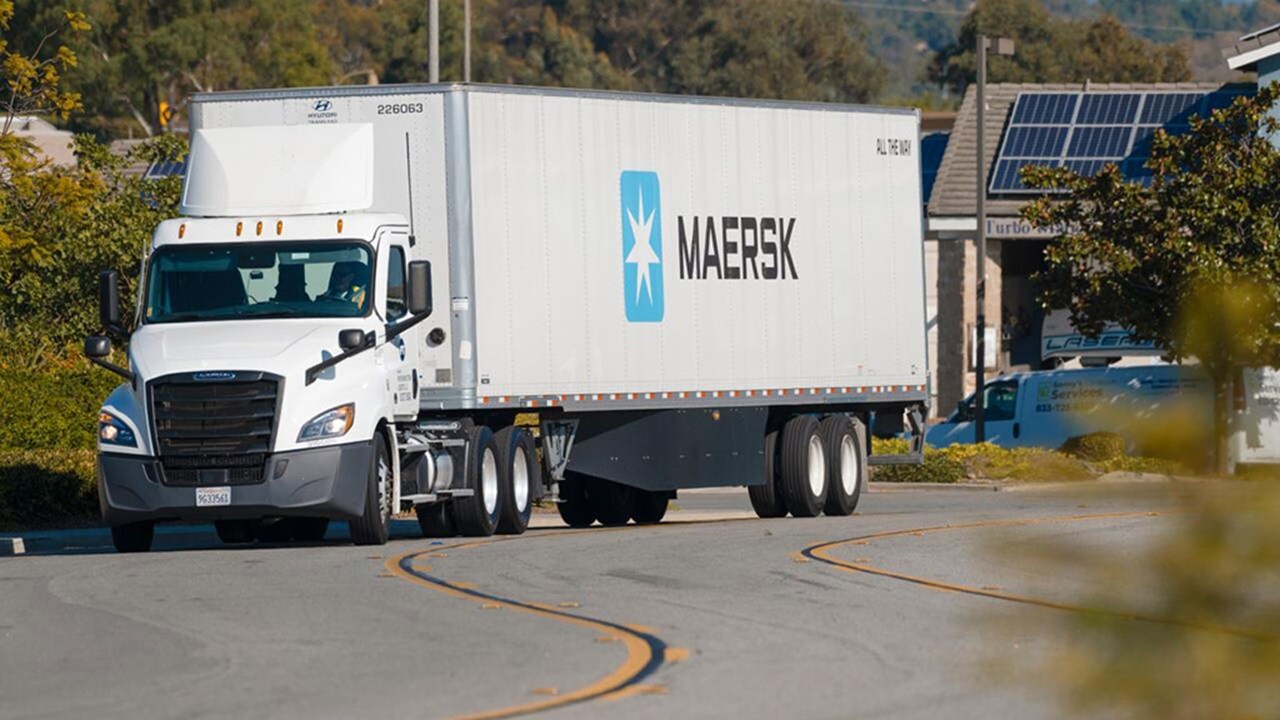
Brazil Inland Services: New digital experience now live
Explore Maersk’s Inland Services in Brazil through a dedicated page that brings together key information in one place—including port, depot, and inland hub locations, a transparent overview of local charges, and a simple way to request inland quotes. It provides easy access to the details you need to better understand available inland solutions and plan your operations.
Learn more from the global Maersk team
Learn what’s happening in our regions by reading our Market Updates by region.
Europe
North America
Asia Pacific
Be sure to visit our “Insights” pages where we explore the latest trends in supply chain digitalisation, sustainability, growth, resilience, and integrated logistics.


