How warehousing is evolving to meet the demands of omnichannel
 LinkedIn
 Facebook
 X.com
X.com
 WeChat
 Email
Email
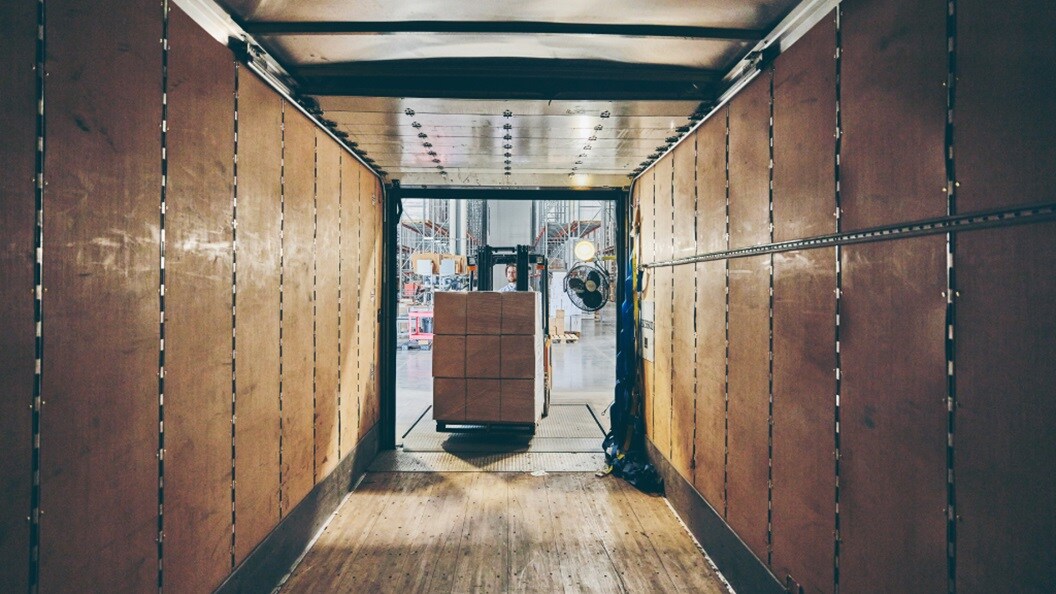
Between 2021 and 2023, the total global e-commerce market increased by $800 billion. By the end of 2024, it’s expected to increase by a further $500 billion. And by 2027, it’s estimated that it’ll exceed $8 trillion.
This boom has undoubtedly had a domino effect across the entire supply chain. But perhaps nowhere more than warehousing and fulfilment centres. To satisfy this growth and the demands of e-commerce — the need for speed, flexibility and easy returns — different types of fulfilment centres and technologies have emerged.
In this blog, we take a closer look at these evolutions and explain how they help deliver omnichannel strategies.
New fulfilment centre models
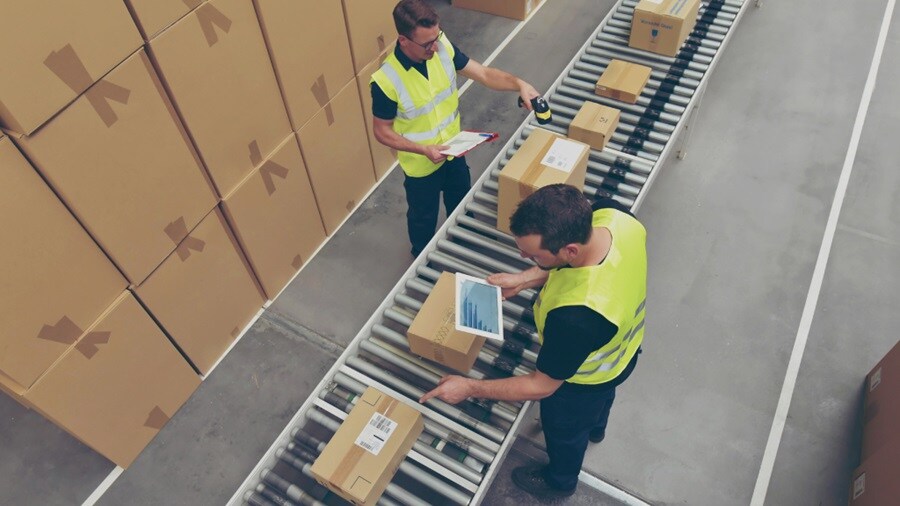
Let’s start with the fulfilment centres themselves. Data from Statista shows that, in 2020, there were approximately 151,000 warehouses around the world. By 2025, that number is expected to reach just under 180,000.
But with consumer demand increasing, that’s to be expected. The more interesting point is how they’re changing. Warehouses are no longer just nondescript, functional spaces to store goods. They’ve innovated and added value. But why?
Well, according to McKinsey, “The North Star of a great omnichannel strategy is removing friction from the parts of the fulfilment process that matter most to customers.” It seems the warehouses and fulfilment centres have listened.
Micro-fulfilment centres and dark stores have sprung up in urban locations to get orders to customers faster. In-store fulfilment centres have come about to give customers more flexibility in the way they shop. Click-and-collect models – also known as BOPIS (buy online, pick-up in-store) – have become more feasible. And all that’s happened while the traditional out-of-town warehouse still reigns supreme (it’s just gotten bigger, acting as a centralised hub to store bulk inventory which then feeds these more innovative approaches).
And it’s not just about getting orders to customers. It’s also about getting them back. In Europe, a whopping 25-40% of items purchased online are returned. But with new approaches, like in-store fulfilment centres, the returns process is a whole lot more convenient for the consumer. The fruits of this labour are significant. The same report finds that 95% of customers that are satisfied with a returns process would purchase from the same retailer again.
More warehousing automation
The other fundamental way that warehousing is evolving to meet the demands of omnichannel is on the inside – through technology. Automation, in particular, is having a transformational effect.
Research by McKinsey finds that, in logistics and fulfilment, automation is expected to account for more than a third of capital spending over the next five years worldwide, while Supply Chain Change reports that 37% of global retailers said they’re increasing levels of automation for omnichannel fulfilment. But what does that actually look like?
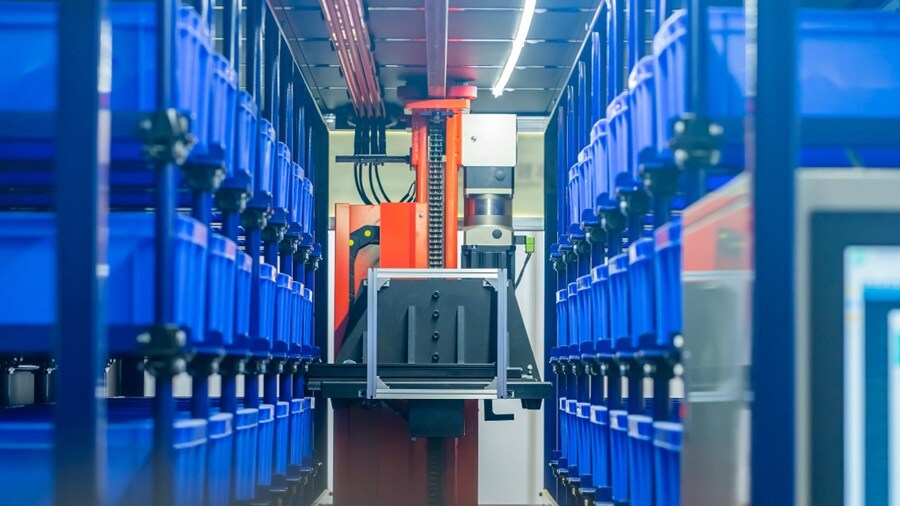
The most obvious answer is robotics. Gartner research shows that around three-quarters of companies across the globe plan on using robotic warehousing automation by 2027. At Maersk, we’ve started to implement such plans, having recently deployed an AI-enabled robotic solution in one of our UK warehouses. The system can sort orders three times faster than conventional systems, improve upstream batch inventory picking by up to 33%, and handle 100% of the typical SKU assortments, order profiles and packages. It’s a much faster and more efficient way of working.
Then there’s digital twins – a model that simulates warehousing operations and inventory movements virtually – so you can test ‘What-if’ scenarios and make changes within existing sites. Similarly, AI can analyse historical data and make predictions for the future, which could help optimise labour allocation, for instance. And there’s also warehouse management systems that can manage inventory and adjust your distribution strategy in real time. Take our new semi-automated omnichannel fulfilment distribution centre in Chile for PUMA as an example. The solution is crafted to adeptly handle shifts in demand, facilitating the acceleration, deceleration, or redirection of inventory, as necessary.
These technological evolutions mean that warehouses will be able to operate 24/7. There’ll be greater throughput of picking and packing. Inventory management will be better controlled and more flexible. And warehousing space will be more effectively utilised. All these capabilities help businesses to define and refine a great omnichannel strategy.
Plus, there’s the added benefits of energy savings. With state-of-the-art robotics solutions, warehouses can operate in the dark (or without as much lighting as humans), and as many of these solutions are low-energy – for example, ten AutoStore robots consume the same amount of energy as a single vacuum cleaner (100W) – they enable businesses to optimise the space within the warehouse and allow for potentially significant savings to be made.

The evolutionary advantage
Omnichannel retail is incredibly demanding. Customers want things faster, they want more choices, they want the entire shopping experience to be more convenient and, above all else, they want this experience to be consistent across every channel they use.
To meet these demands, businesses have had to adapt and innovate – and warehousing is a great example of this evolution. Not only have the types of facilities changed in size, location and approach, but the way they function has also changed through the adoption of new technologies.
At Maersk, we provide this evolutionary advantage. Having grown and evolved our network of advanced storage facilities and rolled out innovative warehousing automation solutions to help our customers operate more efficiently, and with over 450 warehouses and 350 fulfilment sites globally, we can help you meet the rising demands of omnichannel.
To find out more on data integration and analytics, as well as the other biggest trends in omnichannel logistics, read our eBook: 7 trends that will drive change in omnichannel. And, if you want to see Maersk's approach to omnichannel logistics, visit our landing page.
Anything you need, we’re here to help

Logistics services

Contact us

Ready to ship?
I agree to receive logistics related news and marketing updates by email, phone, messaging services (e.g. WhatsApp) and other digital platforms, including but not limited to social media (e.g., LinkedIn) from A. P. Moller-Maersk and its affiliated companies (see latest company overview). I understand that I can opt out of such Maersk communications at any time by clicking the unsubscribe link. To see how we use your personal data, please read our Privacy Notification.
By completing this form, you confirm that you agree to the use of your personal data by Maersk as described in our Privacy Notification.