
 LinkedIn
 Facebook
 X.com
X.com
 WeChat
 Email
Email
Executive summary
Operational reliability is strengthening in East Africa, targeted recovery actions are progressing across Southern and West Africa and selected Red Sea services are returning under a phased, safety-led framework. At the same time, upcoming seasonal shifts in reefer and air cargo capacity require proactive planning.
Through early intervention, network flexibility, and forward capacity planning, Maersk is supporting customers with greater predictability, optionality, and resilience across their supply chains.
Ocean and Key Ports update
Red Sea Routing Developments — What You Need to Know
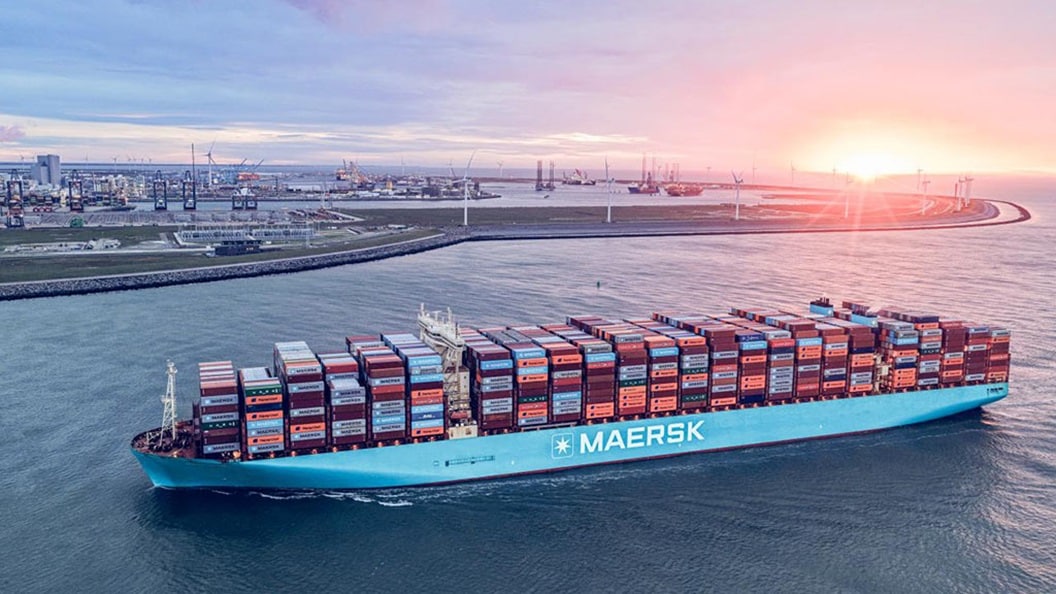
Recent announcements regarding Maersk’s MECL Service and the Gemini cooperation’s ME11 service mark an important phase in the gradual and safety-led re-introduction of Red Sea and trans-Suez routing. In January 2026, Maersk confirmed that the MECL service would structurally return to its originally designed trans-Suez route following continued stabilisation of conditions in the region, enabling more efficient transit times while maintaining contingency plans should the security situation change.
Building on this, Maersk and Hapag-Lloyd announced in February 2026 that the ME11 service would become the first Gemini cooperation service to transit the Red Sea and Suez Canal, introducing a structural routing change assessed and implemented on a service-by-service basis. Together, these developments reflect a deliberate, risk-aware approach rather than a full network return, allowing Maersk to balance operational efficiency with safety, crew welfare, and cargo integrity.
For customers, the advantages extend beyond shorter transit times: selected re-introductions of trans-Suez routing help stabilise vessel rotations, improve schedule reliability, rebalance capacity and equipment flows, and increase routing optionality across key East–West trade lanes.
As routing options expand and network conditions continue to evolve, customers are encouraged to review their risk mitigation strategies alongside routing decisions. Maersk can support this through integrated cargo insurance solutions, designed to provide financial protection against loss or damage across ocean and air transport, regardless of routing choice. This allows customers to move cargo with greater confidence, even in dynamic operating environments.
Learn more about Maersk cargo insurance options and how they can complement your supply chain planning.
India – Grape Export Season Outlook

The Indian grape export season is expected to commence in February, with peak volumes through February and March. Unseasonal rains, higher raw material prices, and stricter quality thresholds are expected to result in lower overall volumes compared to last year, increasing the importance of early planning and close coordination for reefer capacity during the peak export window.
Key Ports Update
East Africa – Reliability Gains Support Predictable Planning
Fixed Berthing Windows in Mombasa and Dar es Salaam have reduced vessel waiting times to around one day, with most vessels now berthing on arrival. This improvement strengthens weekly service reliability, reduces the risk of omissions, and enhances end-to-end schedule predictability across Maersk’s global network enabling customers to plan production and delivery with greater confidence.
Southern Africa – Active Recovery Amid Weather Disruption
Weather impacts continue to affect Port Louis , Beira, and Cape Town , resulting in extended waiting times and selective service disruptions. Maersk is actively engaging terminal operators, deploying additional handling equipment, managing weekly move allocations, and implementing recovery plans to stabilize vessel flows and limit wider network impact. While conditions remain dynamic, these actions are focused on restoring predictability and protecting regional connectivity for customers shipping through Southern Africa.
West Africa – Congestion Mitigation in Progress
Congestion at Freetown is currently impacting vessel turnaround and cargo evacuation. To accelerate recovery, Maersk has deployed a dedicated shuttle vessel between Tema and Freetown to clear backlog cargo on first in, first out (FIFO) basis and protect regional vessel positioning. While short-term schedule adjustments may persist, these measures are aimed at restoring service stability and supporting customer cargo flow as conditions improve.
Air update
Seasonal Capacity Shift Ahead
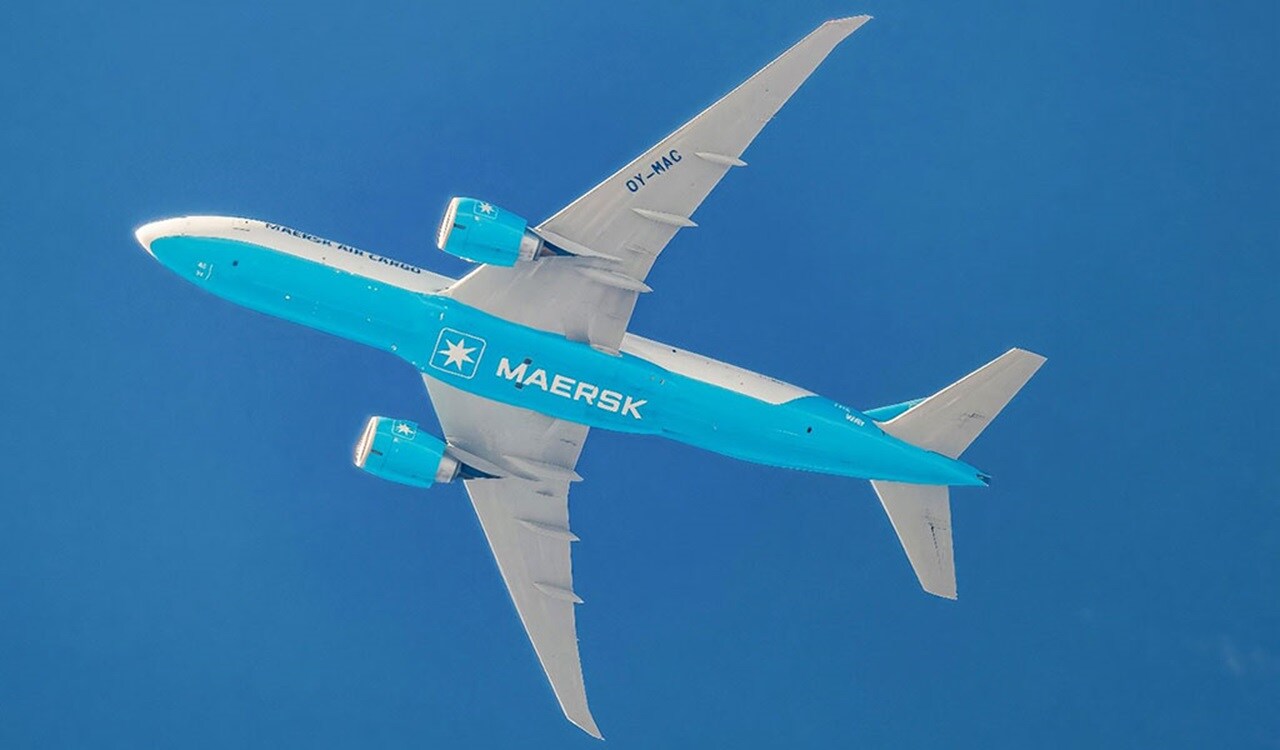
As Southern Africa enters the winter schedule from March to October, passenger aircraft redeployment will reduce available belly-hold cargo capacity into the region. Maersk has secured capacity in advance to maintain service continuity; however, customers are advised to plan early and explore flexible routing options to ensure optimal airfreight solutions during this period.
Useful links
More News and Insights from Maersk
- What to Expect in 2026: Warehousing Trends Across India, the Middle East, and Africa
- Maersk appoints Charles van der Steene as its new Managing Director for the Indian Subcontinent, Middle East & Africa
- Maersk Operations through Red Sea / Gulf of Aden
- Structural Change to the Gemini Cooperation’s ME11 Service First Gemini service to transit the Red Sea
Visit our Insights Hub where we share the latest trends in supply chain digitization, sustainability, growth, resilience, and integrated logistics.
Useful links
Check Maersk market updates from across other regions by clicking here.


