 LinkedIn
 Facebook
 X.com
X.com
 WeChat
 Email
Email
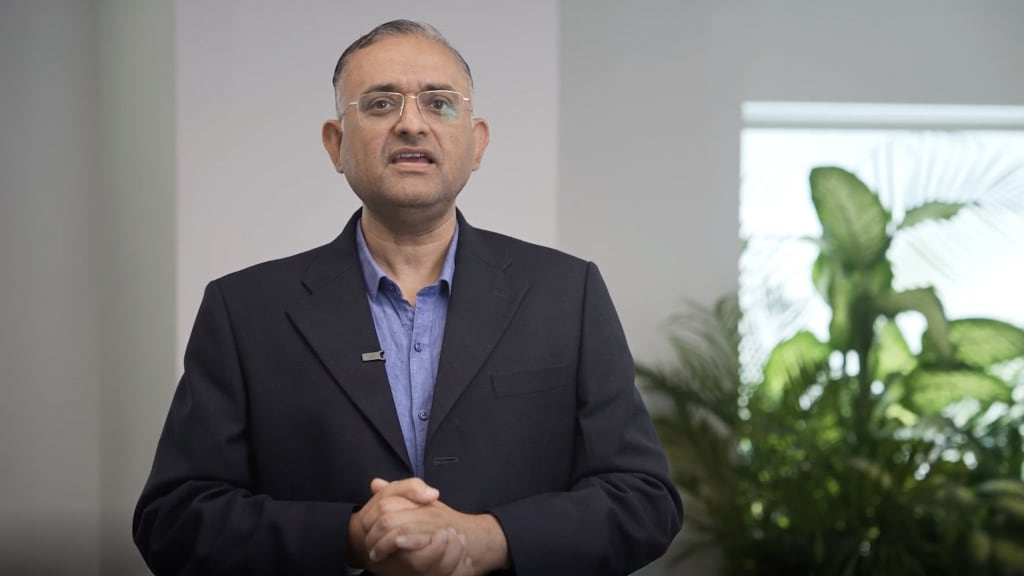
Equipping Landmark’s growth with logistical direction
Retail landscape today is rapidly evolving, and the customers are moving even faster. To cater to this ever-growing pace, Landmark serves millions across fashion, home and lifestyle with one of the largest retail portfolios across the GCC, Levant and Southeast Asia. But scale alone isn’t enough.
How do you stay consistent across markets, seasons and sudden disruptions?
Speed versus uncertainty: The retail balancing act
Multiple regions, suppliers, timelines, unpredictable vessel schedules, limited cargo visibility, longer lead times – these are just the surface level setbacks that a retailer can face when moving products from stock to shelf.
When visibility drops, so does momentum. And in retail, delays don’t just affect shipments, they affect customer trust. This was the most critical factor when Landmark was planning their shipment journeys. Two questions became critical for them:
How to move faster and how to stay dependable - even when the parameters of growth keep changing within markets?
Choosing integration over fragmentation
Landmark partnered with Maersk as an end-to-end logistics provider, connecting supplier coordination, CFS operations, ocean freight and destination delivery into one streamlined flow. With enhanced shipment visibility and optimised trade routes, planning became proactive and not reactive.
Most importantly, a 90% schedule reliability across the Far East–Middle East network strengthened speed to market and improved inventory planning for Landmark.
Maersk’s close collaboration in understanding our business needs has led to the introduction of optimized trade routes that cut transit time and offer flexible sailing options.
What did this collaboration translate to, for Landmark?
Through this collaboration, Landmark has achieved:


Accelerating movement with momentum
As categories expand and digital channels evolve, logistics remains a strategic growth engine and not just an operational function anymore. Together with Maersk, Landmark continues to build a future-ready supply chain that is more connected and more resilient.


