
 LinkedIn
 Facebook
 X.com
X.com
 WeChat
 Email
Email

Topic of the Month: The Future of Workforce & Skills in Supply Chain
The supply chain workforce is undergoing its most significant shift in decades, accelerated by digitalization, new waves of automation, and rapidly evolving artificial intelligence. This transformation is changing more than the skills in demand—it is redefining how work is designed, distributed, and executed across increasingly complex and fast-moving global operations. While the trend is global, Latin America highlights how capabilities such as digital twins, autonomous (agentic) AI, and advanced automation are adopted at different speeds, shaped by local infrastructure, investment cycles, and operational realities. Combined with a worldwide shortage of qualified professionals, these forces are reshaping the talent profile supply chain organizations need to stay competitive.
The Strategic Drivers Behind the New Supply Chain Landscape
In Latin America, the supply chain transformation is being pushed forward by three converging forces: faster digitalization, new waves of automation, and AI moving from experimentation to operational use. The pressure is tangible. As e-commerce and omnichannel fulfillment keep expanding, networks must process more orders, more SKUs, and more delivery promises—often across fragmented geographies and uneven infrastructure. One indicator of the region’s operating complexity is the World Bank’s Logistics Performance Index (LPI) 2023: Latin America’s top performers—such as Brazil (ranked 51) and Argentina (ranked 73)—still sit well outside the global top tier, underscoring why visibility, standardization, and data-driven decision-making remain strategic priorities.
Digitalization is accelerating as companies deploy integrated platforms (ERP/WMS/TMS), advanced analytics, and more connected planning and execution processes. In Latin America, the business case is clear: higher service expectations from e-commerce, expanding regional trade lanes, and nearshoring-driven complexity are increasing the need for end-to-end visibility and faster decision cycles. As a result, supply chains are becoming more dependent on clean master data, near real-time operational signals, and standardized processes across sites and partners—raising demand for professionals who can operate in integrated, data-driven environments and consistently translate insights into action.
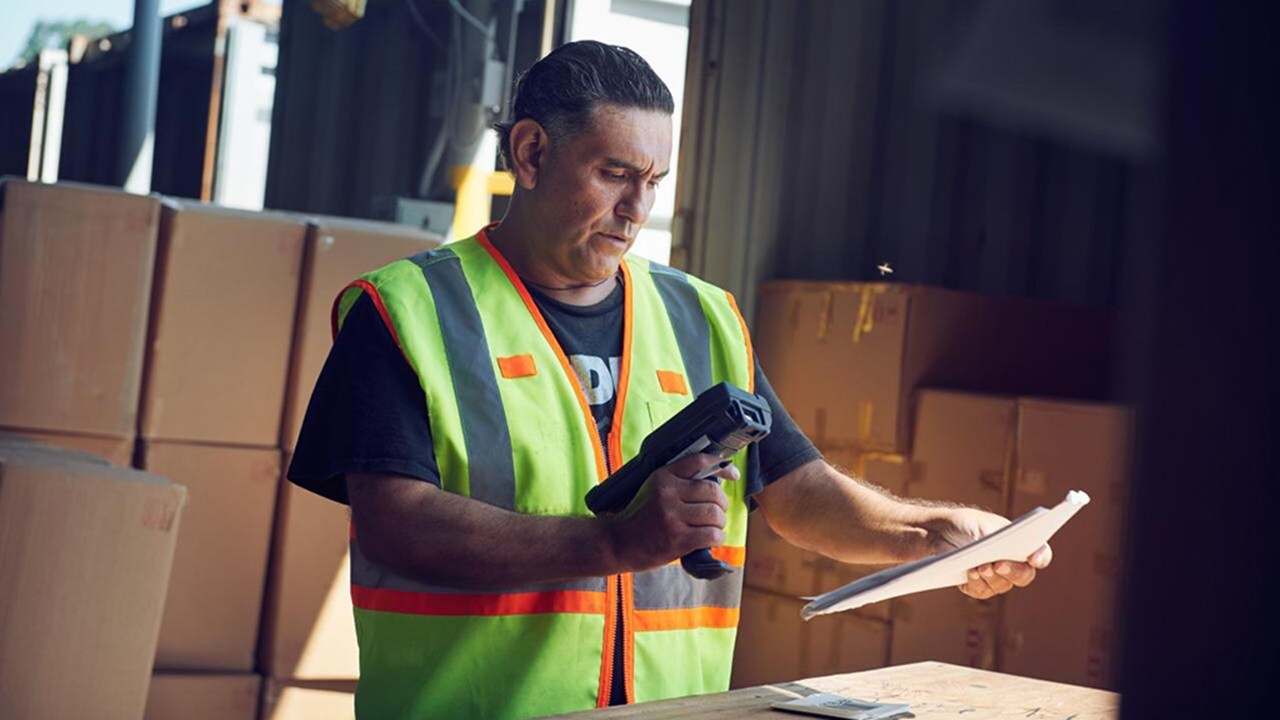
In parallel, warehouse modernization in Latin America is accelerating, but typically through selective, scalable automation rather than fully autonomous “lights-out” facilities. Across major logistics corridors—especially in Mexico and Brazil, where nearshoring and e-commerce volumes are reshaping demand—many operations are prioritizing pragmatic upgrades: AMRs/AGVs for internal transport, semi-automated picking and sortation, scanning and sensing for real-time inventory accuracy, and software-driven orchestration to synchronize labor and equipment. The result is a shift from manual execution to hybrid, digitally enabled sites where people, machines, and data work together—raising the bar for talent that can integrate automation into broader platforms, manage change on the floor, and ensure technology translates into measurable improvements in safety, productivity, and service.
Core Digital Systems Transforming the Supply Chain
In Latin America, digitalization has been advancing steadily, although at a more gradual pace and in a way that reflects the region’s economic, structural, and operational realities. The modernization of supply chains begins with the consolidation of essential digital systems such as ERP (Enterprise Resource Planning), which integrates corporate data and connects areas like procurement, finance, inventory, and production; WMS (Warehouse Management System), which organizes and optimizes warehouse processes from receiving to shipping; and TMS (Transportation Management System), which enhances route planning, freight management, transportation capacity, and end-to-end visibility. These systems have become the operational foundation for Latin American companies seeking to reduce inefficiencies, increase visibility, and standardize processes in markets characterized by logistical complexity and structural variability.
Despite regional challenges such as uneven infrastructure, implementation costs, and technological heterogeneity across countries, the most significant progress comes from the growing adoption of digital twins. Although still in early stages across the continent, these virtual models are gaining traction among companies seeking greater predictability and resilience. Digital twins make it possible to simulate scenarios, anticipate bottlenecks, evaluate alternatives, and predict disruptions before they affect real operations. This is an important advantage in a region marked by demand volatility, currency fluctuations, climate related events, and logistical constraints. By supporting more assertive and data driven decisions, these platforms are beginning to take shape as a strategic component within the region’s more advanced organizations.
In addition to this, the advancement of autonomous AI (agentic AI) is introducing new possibilities even in environments where full automation is not yet viable. These digital agents can perform complex tasks such as replanning routes, adjusting logistics parameters, or anticipating risks without direct human intervention. Although adoption is progressing gradually in Latin America, the technology is already demonstrating meaningful impact by increasing operational agility and reducing errors in critical processes. This evolution is reshaping roles within the supply chain, shifting human work toward more strategic functions that require supervision, judgment, and critical thinking. In practice, work becomes less operational and more focused on guiding, validating, and coordinating increasingly intelligent processes.
Talent Shortage and the Skills Shaping the Future of Supply Chain
While technology accelerates, the sector faces a structural challenge: the global shortage of qualified talent. Supply Chain organizations struggle to find professionals with digital fluency, analytical capability, and experience in automation and AI. Companies report difficulty hiring individuals who can navigate across processes, technologies, and strategic decision making.
This gap intensifies the need for new skills. The most valued competencies include:
- Mastery of digital systems and analytical platforms
- Ability to interpret operational data and transform insights into action
- Technical capability to operate robots, sensors, automation systems, and autonomous assets
- Deep understanding of advanced tools such as digital twins
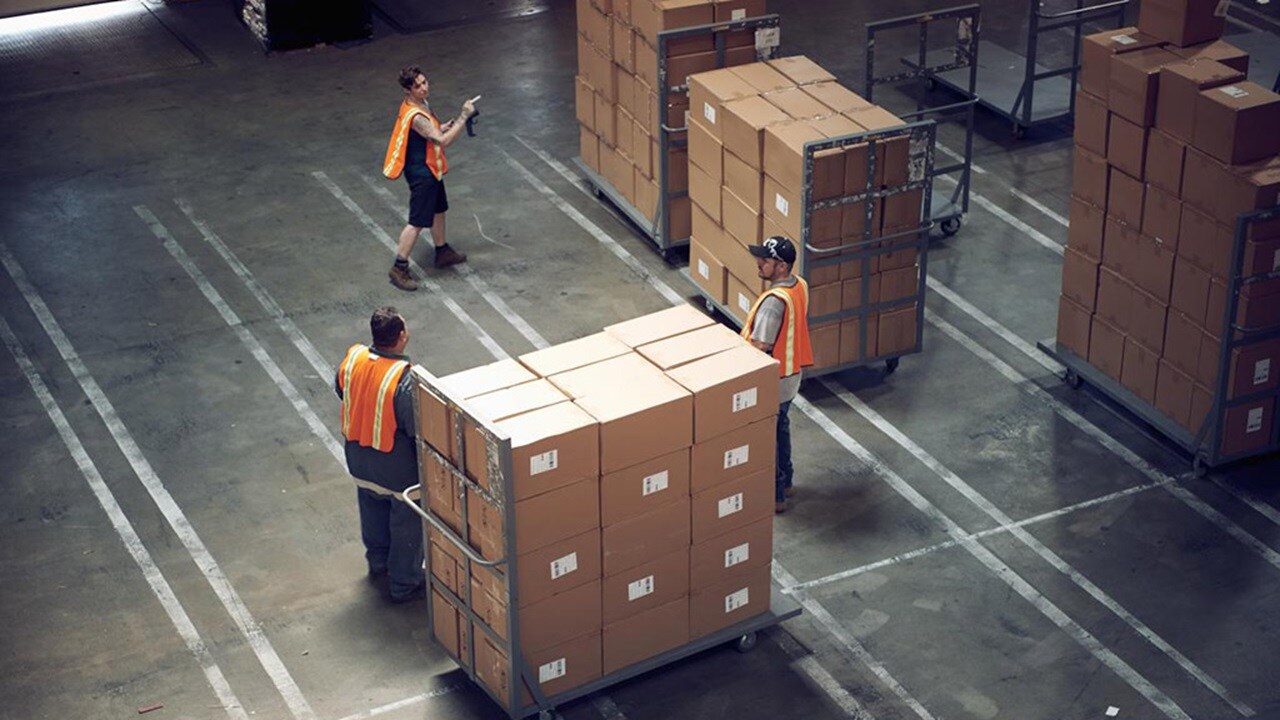
Beyond technical knowledge, companies increasingly require professionals with broader behavioral competencies, such as systemic thinking, resilience, rapid adaptation, critical thinking, and comfort operating in highly dynamic environments. In this context, the development of hybrid professionals, capable of moving between physical and digital processes, collaborating with AI, automating flows, and making data driven decisions, has become a strategic priority for organizations.
The future of work in Supply Chain is defined by the convergence of advanced technology, strategic analysis, and evolving human capabilities. Digitalization, warehouse automation, digital twins, and autonomous AI are shaping an environment where decisions are faster, processes are smarter, and operations are more resilient. At the same time, the global talent shortage requires companies to rethink how they train, develop, and attract professionals. These shifts are unfolding at different speeds around the world, with regions such as Latin America progressing through more gradual, hybrid models of modernization shaped by local operational realities.
Ocean updates
| Trade lane | Comments |
|---|---|
|
Trade lane
East Coast of South America to Intra-Americas
|
Comments
TANGO:
Seasonal call in Montevideo to attend Apples and Pears demand (transshipment from origin San Antonio Este). Norfolk remains suspended (cargo being attended via transshipment in Cartagena). ECSA Shuttle: Maersk Jaipur and Cape Sorel to return to ECSA Shuttle during April (bi-weekly call in Paranagua and Santos). |
Main port status
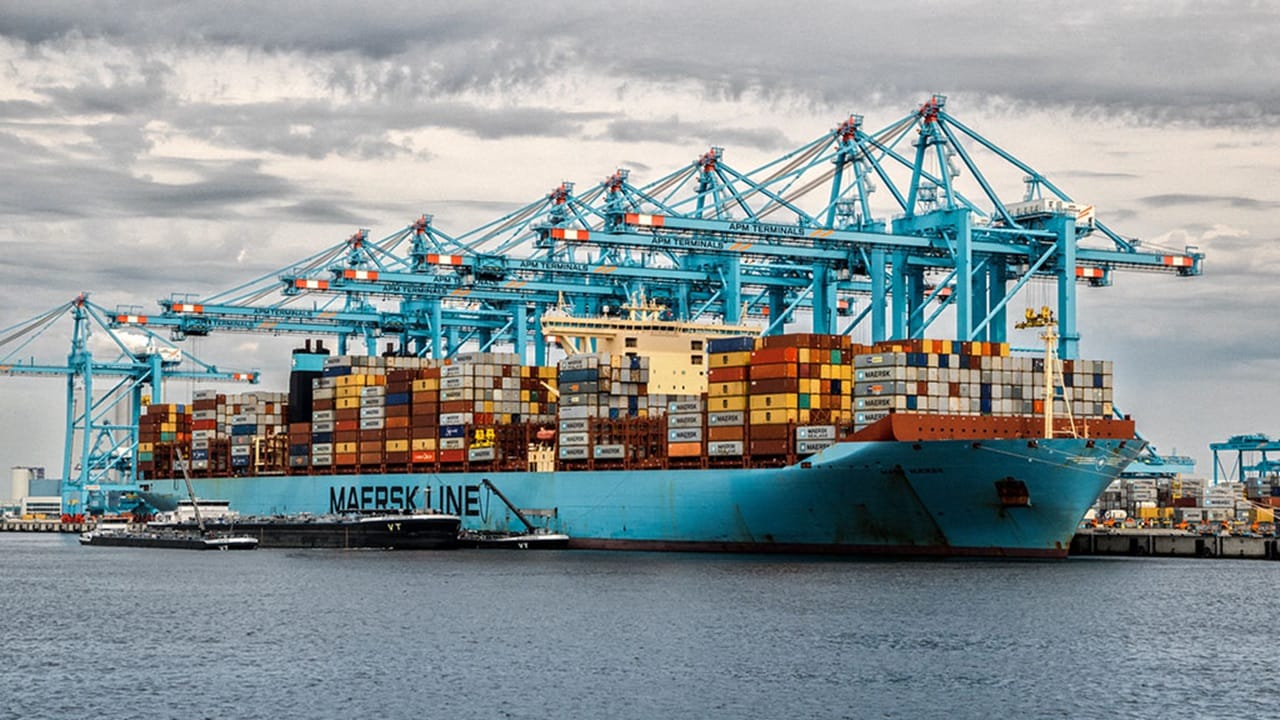
Central America, Andina and the Caribbean Sea Area: Operations remain stable throughout April, with ports open and running within normal capacity. Yard occupancy stays controlled, and gate performance is consistent. Localized pressure continues to appear due to seasonal cargo variations or isolated weather events, but without causing broader operational impact. Vessel flows and transit times remain aligned with expected patterns, supporting a predictable operational environment.
East Coast South America Area: Port operations across ECSA remain generally stable, with most key ports operating within expected service windows. However, certain locations continue to face operational constraints that may impact schedule reliability. In particular, Paranagua and Itapoa are experiencing ongoing challenges driven by yard utilization, equipment availability, and overall operational dynamics, which may lead to intermittent delays. While mitigation measures are being implemented and performance is being closely monitored, these factors continue to require active management.
In the River Plate region, Buenos Aires and Montevideo are currently operating under stable conditions, although some operational limitations and equipment constraints remain as underlying risk factors.
West Coast South America Area: Operations remain consistent in April, with ports open and yard occupancy staying within manageable limits. Some localized pressure persists due to seasonal shifts or occasional weather‑related impacts, but vessel waiting times and productivity remain largely under control. Cargo flows continue to move reliably, supported by stable connectivity across coastal and north–south services.
| 1-3 Days | 4 - 7 days | |
|---|---|---|
|
Latin America
|
1-3 Days
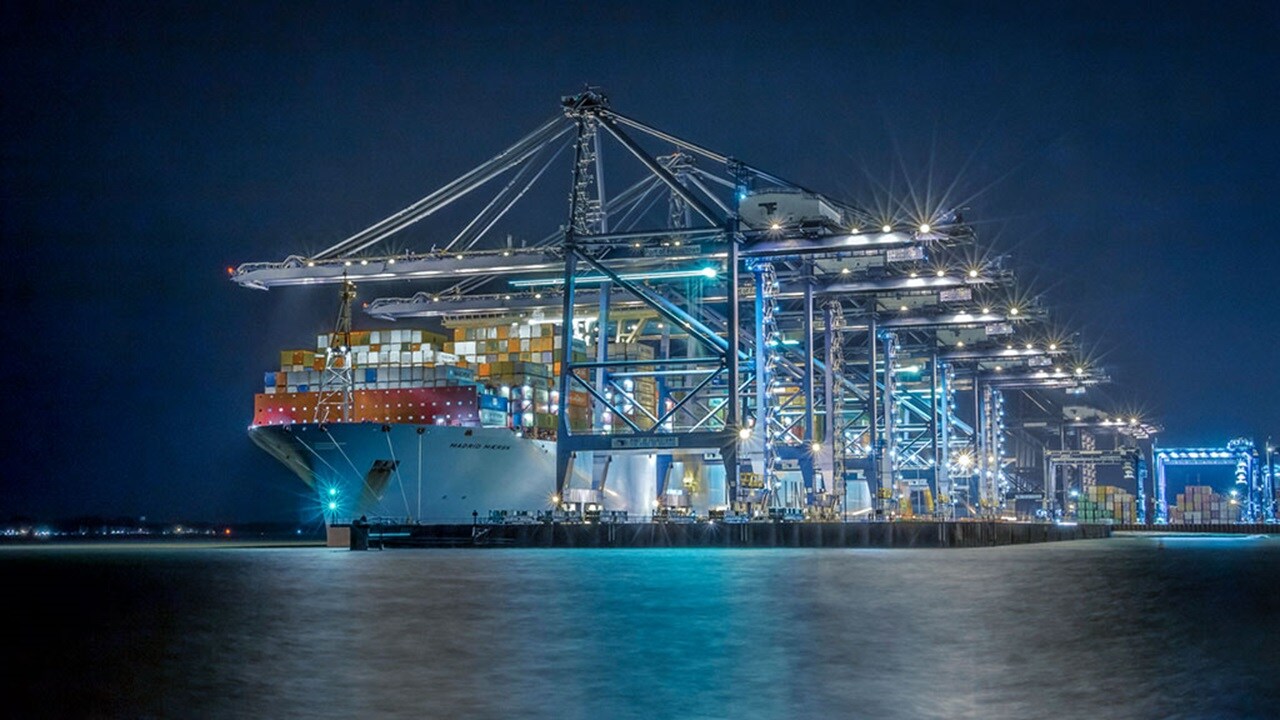
Santos BTP (vessels out of window), Buenos Aires (vessels out of window)
|
4 - 7 days
Paranagua (vessels out of window), Itapoa (vessels out of window)
|
Learn more from the global Maersk team
Learn what’s happening in our regions by reading our Market Updates by region.
Europe
North America
Asia Pacific
Be sure to visit our “Insights” pages where we explore the latest trends in supply chain digitalisation, sustainability, growth, resilience, and integrated logistics.


