 LinkedIn
 Facebook
 X.com
X.com
 WeChat
 Email
Email
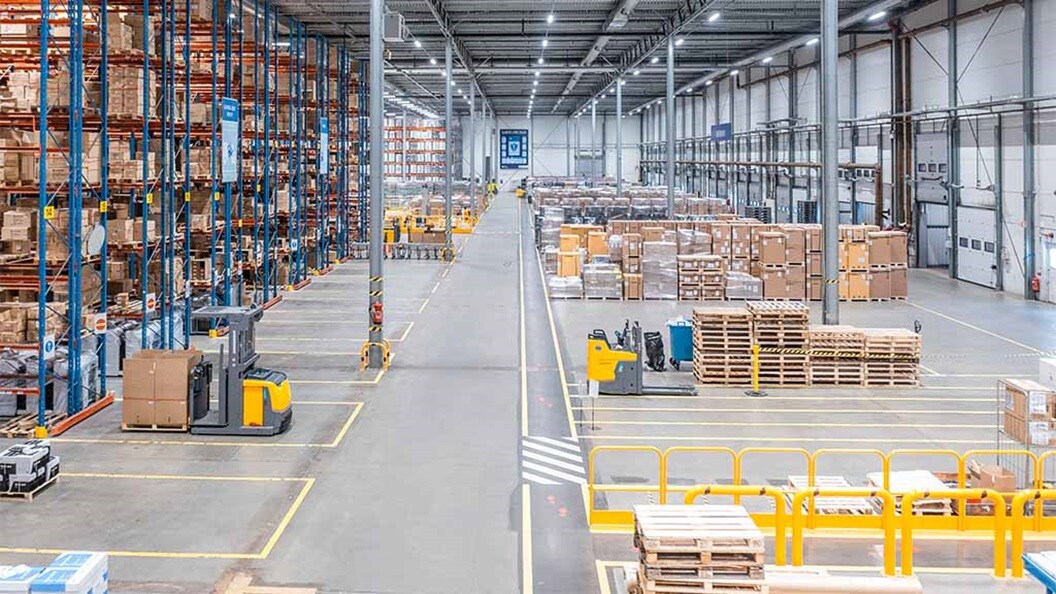
In North American logistics hubs, where peak season can drive volume surges of 2.5x or more, smart warehouses are redefining speed and adaptability. In high-turnover environments, speed and precision are essential. The smartest facilities are engineered to adapt, observe, and respond in real time, designed for variability, integrated across systems, and built to support people with tools that make their work easier and more effective.
Facility design for flow and flexibility
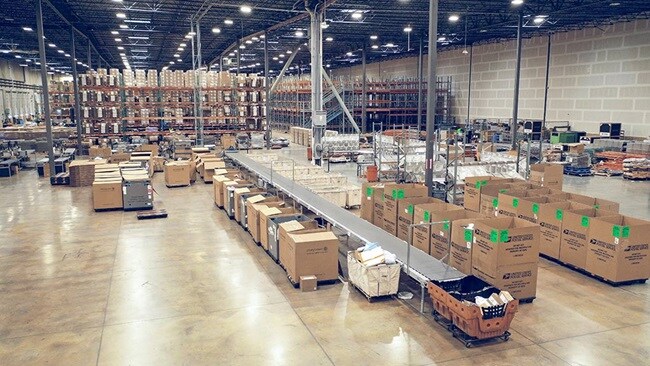
Smart warehouses begin with smart layouts. Engineering decisions about the appropriate levels of automation, correct racking configuration and staging zones directly impact throughput and efficiency. In high-volume operations, where product mix and velocity shift daily, facilities must be designed to be flexible.
When evaluating partners, prioritize those who:
- Design with modularity to scale capacity as needed.
- Engineer for efficiency and reliability – think long-term.
- Optimize operations for fast turnover and minimal dwell time.
Operational visibility at the dock
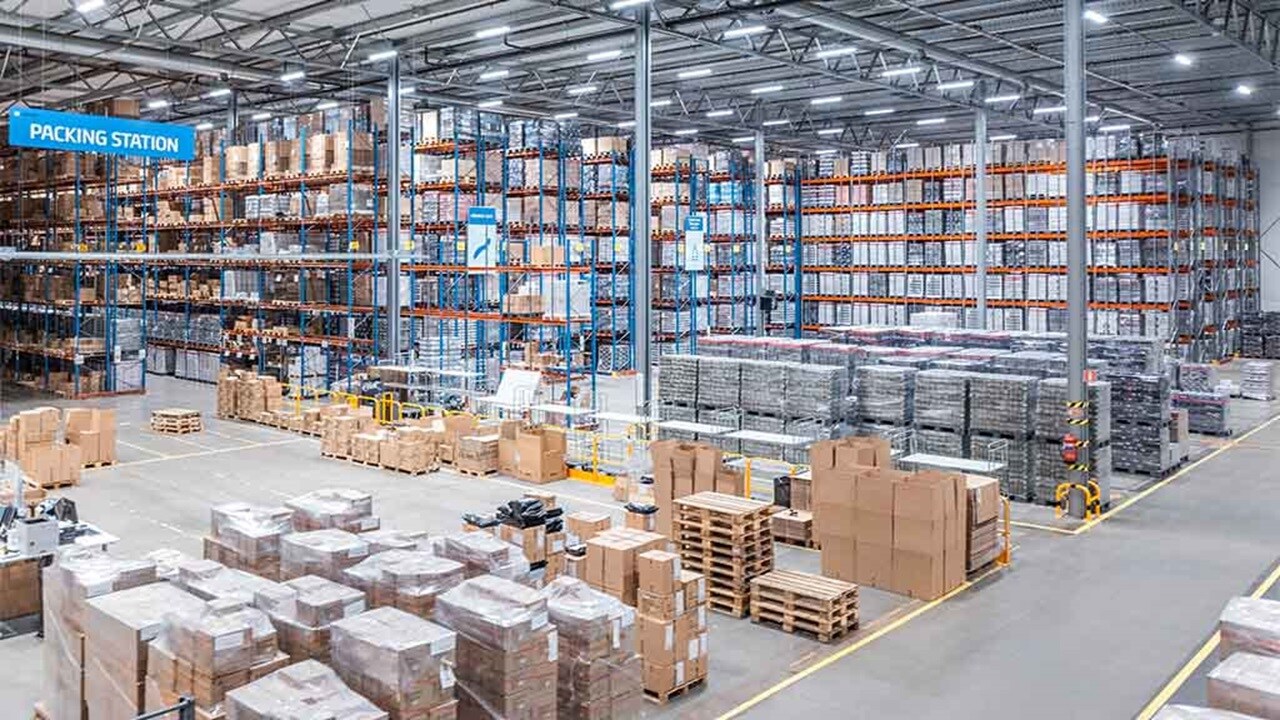
Unloading is often one of the most unpredictable parts of warehouse operations, and historically, one of the least measured. That’s changing. As peak season ramps up, facilities are turning to AI-enabled CCTV not just for security, but to accelerate performance.
Video insights help teams:
- Track unloading speed and identify slowdowns in real time
- Fine-tune operations based on actual data
- Shift from reactive troubleshooting to proactive flow management
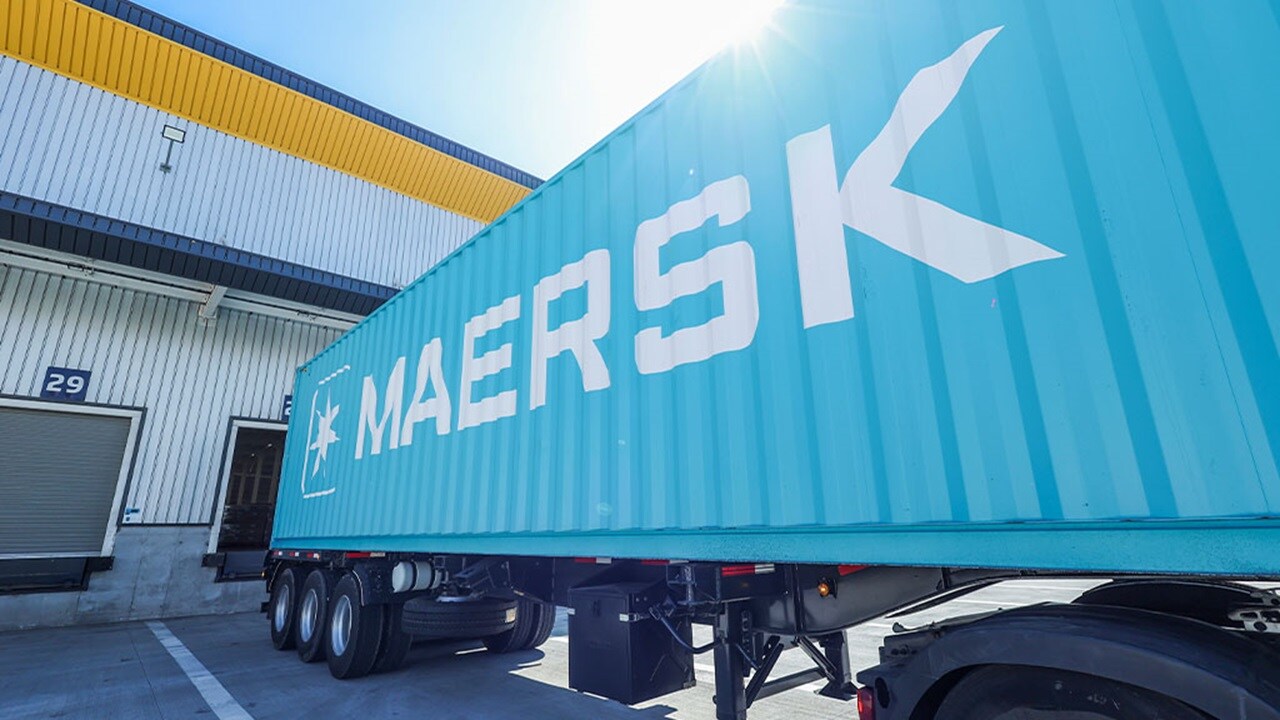
These systems are especially valuable in transload and cross-dock environments, where containers are stripped and reloaded quickly. During peak season, when trailer turnover is high and dwell time must stay low, video analytics help monitor productivity, track trailer movements, detect idle zones and bottlenecks, and enhance safety and compliance.
Yard & transport integration
A warehouse doesn’t operate in isolation, and neither should your systems. Yard management systems (YMS) are critical for coordinating inbound and outbound flows. When integrated with transport planning, they help reduce wait times, prevent congestion, and align labor with trailer arrivals - keeping operations fast and fluid.
Customers are asking:
- Is the yard digitally mapped and tracked?
- Can the system predict trailer arrival and assign dock doors dynamically?
- How is transport movement linked to warehouse tasking?
Disconnected yards, warehouses, and transport systems lead to delays, miscommunication, and underutilized resources. Cloud-based integration of YMS and TMS improves trailer tracking, dock scheduling, and labor alignment with transport flows.
Warehouse management intelligence
Warehouse Management Systems (WMS) are evolving from digital filing cabinets to the central nervous system of logistics operations. In fast-moving environments, that means fewer touches, faster turns, and better accuracy.
Today’s WMS helps teams:
- Optimize slotting based on SKU velocity and storage constraints
- Plan labor tied to inbound schedules, minimizing idle time
- Handle exceptions for damaged and delayed goods with human review
- Reduce energy use, improve space utilization, and support safety initiatives
The latest shift? Predictive and prescriptive intelligence. Research from MIT highlights how AI and operations research are being combined to optimize routing, inventory planning, and network design in real time. These systems actively support frontline teams, helping them move faster, make smarter decisions, and stay ahead of demand.
The WMS market is projected to nearly triple by 2032, fueled by demand for real-time visibility and operational efficiency, but tech alone isn’t enough. Systems must support people, reduce friction, increase clarity, and enable teams to perform at their best.
What to look for in a logistics partner
Smart warehouses aren’t defined by the tech they use, they’re defined by how well they’re designed to solve real-world problems.
When evaluating a logistics partner, ask:
- Is this facility engineered to handle variability in volume and product mix?
- Is there real-time visibility from yard to dock to inventory?
- Does the WMS support alignment with inbound and outbound flows?
- What tools are in place to monitor productivity and reduce dwell time?
The best partners design with both complexity and clarity in mind, creating environments where systems support people, not the other way around. It’s about enabling teams to move faster, make better decisions, and stay aligned, no matter how dynamic the operation.
Be ready for your warehousing strategy to go all the way! Discover more with Maersk Logistics Insights, and explore how hybrid warehousing models are redefining flexibility. For more logistics trends and insights, read and download The Logistics Trend Map.
About the expert
The perspectives in this article come directly from Maersk’s Contract Logistics leadership, who are driving innovation and resilience in today’s warehousing landscape:
Jason Walker leads Maersk’s Contract Logistics across North America, overseeing all aspects of warehouse and cold chain operations, including engineering, technology, customer operations, platform and implementation, product strategy, and solutions design.
With over 35 years of industry experience, Jason brings deep expertise in integrated logistics and transportation, spanning omni-channel fulfillment, e-commerce, transloading, and cold storage. He holds a Master of Science in Global Supply Chain Management from USC Marshall School of Business and has completed advanced studies in Operations Management at the University of La Verne.